
From local park runs to marathon training plans flooding social media, it seems more people than ever are lacing up their trainers and hitting the pavement. But with the rise in running there has also been a rise in running injuries. Whether you’re a beginner building up your distance or a seasoned runner chasing a PB, chances are you’ve dealt with a niggle at some point.
A lot of runners turn to stretching as their main injury-prevention strategy. A few toe touches before, a couple of stretches after running and job done. But while stretching does play a role in recovery, it’s rarely enough on its own to keep injuries at bay. Preventing running injuries is less about isolated stretches and more about building strength, mobility, balance and body awareness, and that’s why practices like hot yoga for runners make a real difference.
Why runners get injured
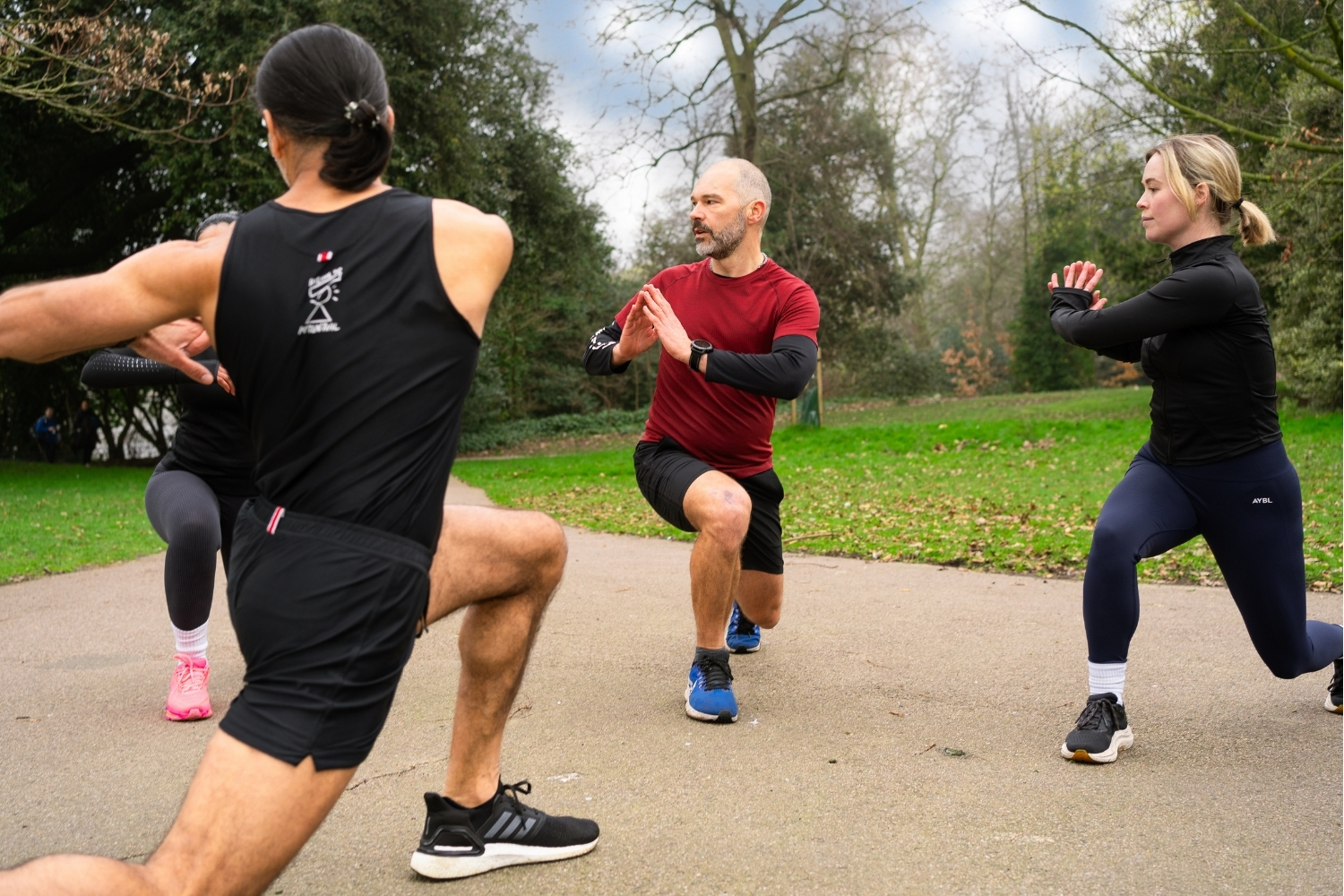
Running is repetitive by nature. Every step places stress on the same muscles, joints and connective tissue again and again. Over time, that repetitive load can lead to imbalances, which can quickly turn into bigger problems if not addressed.
Many injuries also occur when runners increase mileage or intensity too quickly: too much, too soon, too fast. Combined with common issues like weak glutes, tight hips or limited ankle mobility, this can alter running mechanics and place extra strain on joints, leading to running injuries such as sore knees after running (runner’s knee), shin splints, IT band syndrome and plantar fasciitis.
How yoga supports injury prevention
While stretching has its place in running recovery, traditional static stretching mainly targets muscle length; it doesn’t build the strength or stability needed to support your body while running. Yoga works differently because it blends mobility with strength and control. Many poses strengthen key muscles that runners often neglect, particularly glutes, hips, hamstrings and core. These muscles play a huge role in stabilising your stride and reducing unnecessary strain on joints.
Yoga also improves mobility in areas that runners typically struggle with, like hips, ankles and thoracic spine. Better mobility means your body can move more efficiently while running, reducing compensations that often lead to injury.
But why make it hot?
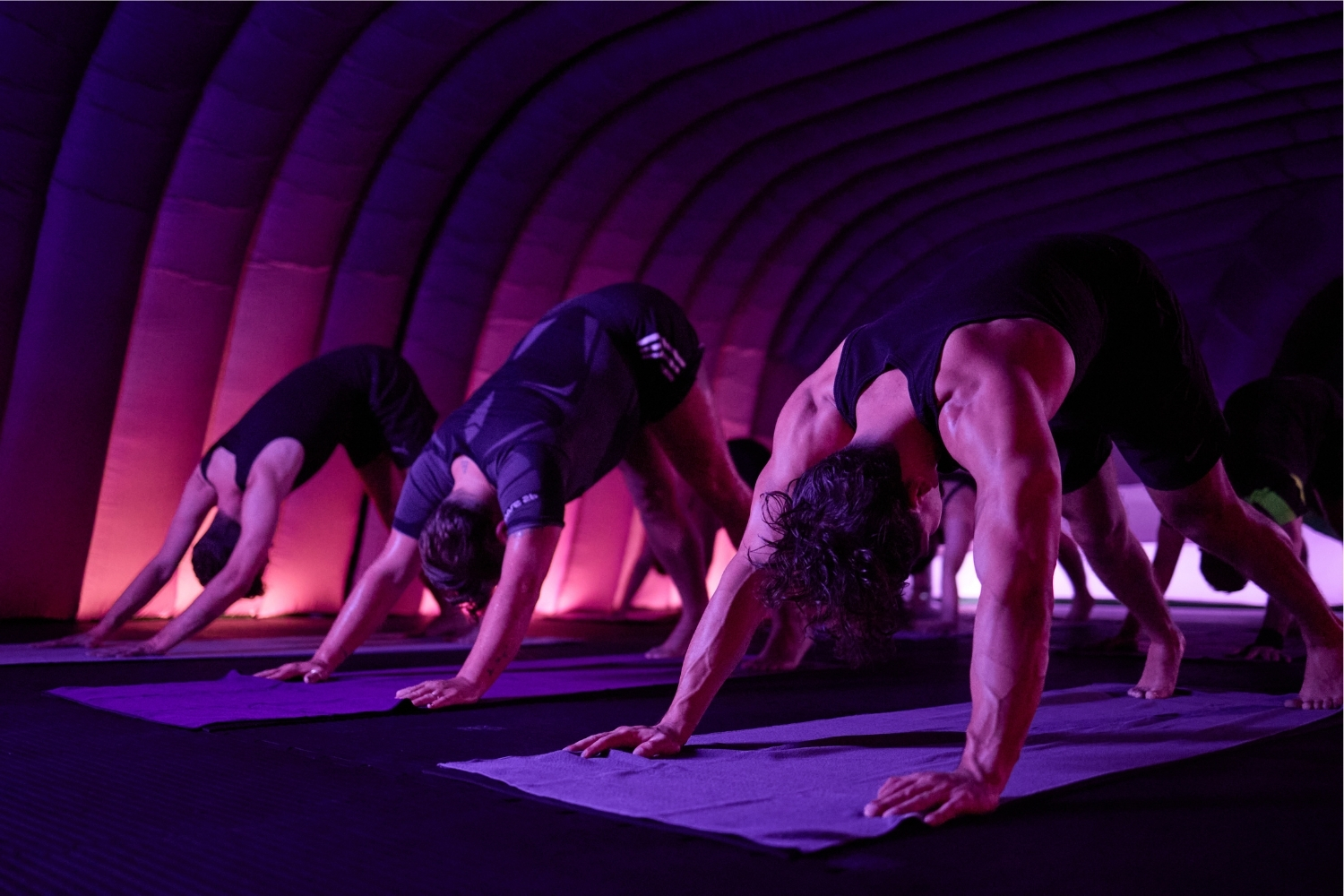
Hot yoga adds another layer of benefit because practising in a heated room allows muscles to warm up more quickly, which can help runners access deeper mobility safely while building strength.
It also encourages recovery. The heat promotes circulation, helping deliver oxygen and nutrients to tired muscles after long runs or intense training sessions. Many runners find that incorporating a regular hot yoga class into their routine not only helps prevent injuries but also leaves them feeling looser, stronger and more balanced overall.
The role of breath in preventing injury
Breath might not seem like an obvious factor in running injury prevention, but it plays a surprisingly important role in how the body moves and manages stress. When breathing becomes shallow or rushed — something that often happens during running — the body tends to tense. Shoulders creep upwards, the core stops engaging properly and posture can start to collapse, all of which can subtly alter running mechanics.
The controlled breathing that we practice in hot yoga helps regulate this tension. Deep, steady breaths encourage the diaphragm and core to work together, improving stability through the torso and supporting better posture while running. Over time, this can reduce unnecessary strain on the hips, knees and lower back, helping you run more efficiently and lowering the risk of injuries.
Creating a calm space for better recovery
Running can place the body under a lot of physical stress, especially when training intensity starts to build. When we’re constantly pushing through workouts or rushing from one session to the next, the body can stay in a heightened fight-or-flight state. In this mode, muscles tend to hold more tension, breath becomes shallow and recovery processes slow down, all of which can increase the likelihood of overuse injuries.
Practising hot yoga in a calm, controlled environment (particularly in our Nurturing Flow class or Rest & Restore) helps shift the body into a more restorative state. Slower breathing and mindful movement encourage muscles to relax and the nervous system to regulate more effectively. Just as importantly, it gives runners a chance to tune into their bodies, noticing tightness or imbalance early and addressing it before it turns into injury.
Incorporating hot yoga into your routine gives your body more than just flexibility: it builds strength, improves balance, enhances breath control and supports recovery in a way that stretching alone can’t.
If you’re ready to support your body against injuries and run stronger for longer, dive into our running coach’s guide to hot yoga and marathon training for tips on how to make yoga a key part of your running plan. Your body will be more resilient, your stride more efficient and your runs more enjoyable.
Find your local studio here.